

About the Niger State Ministry of Health
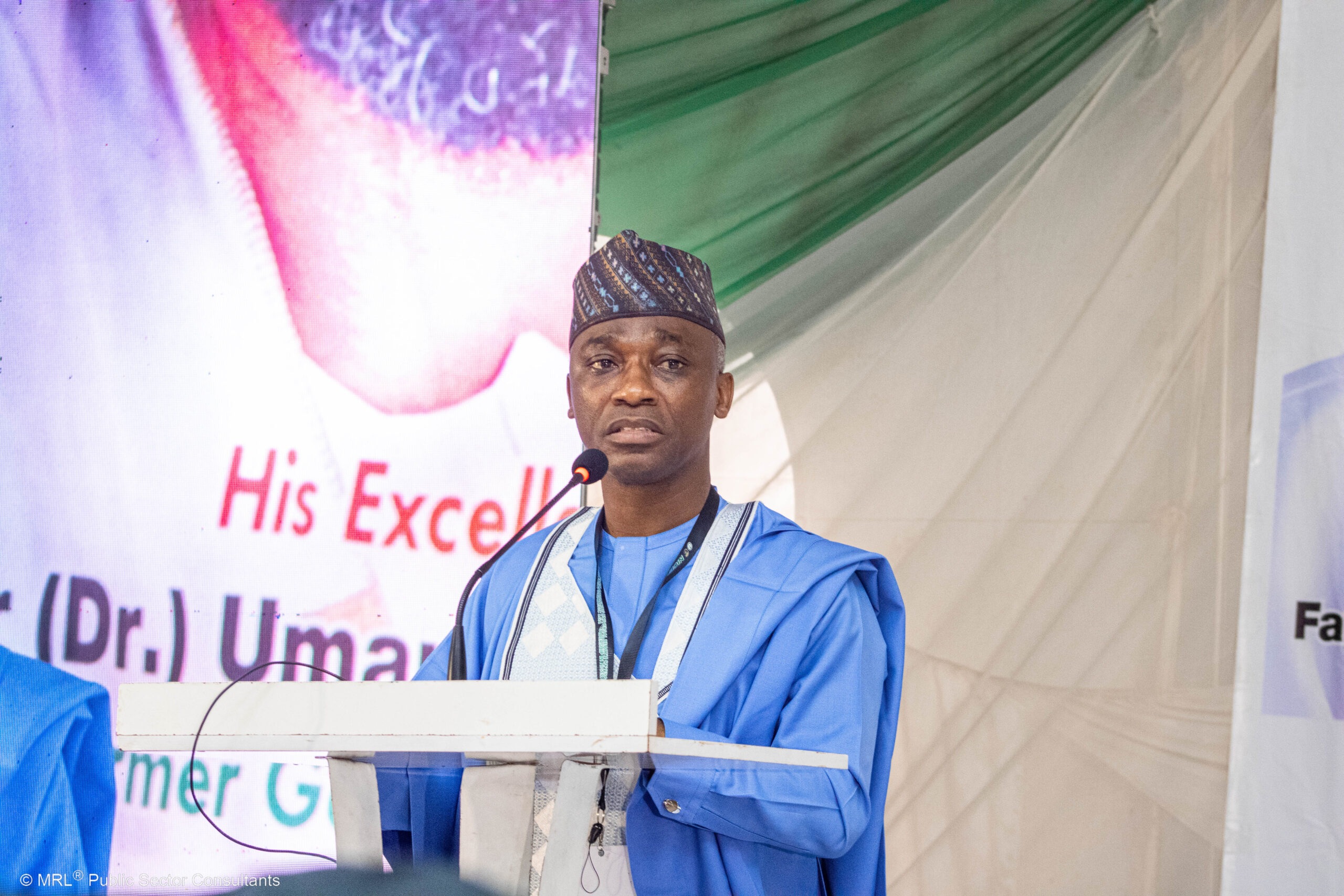
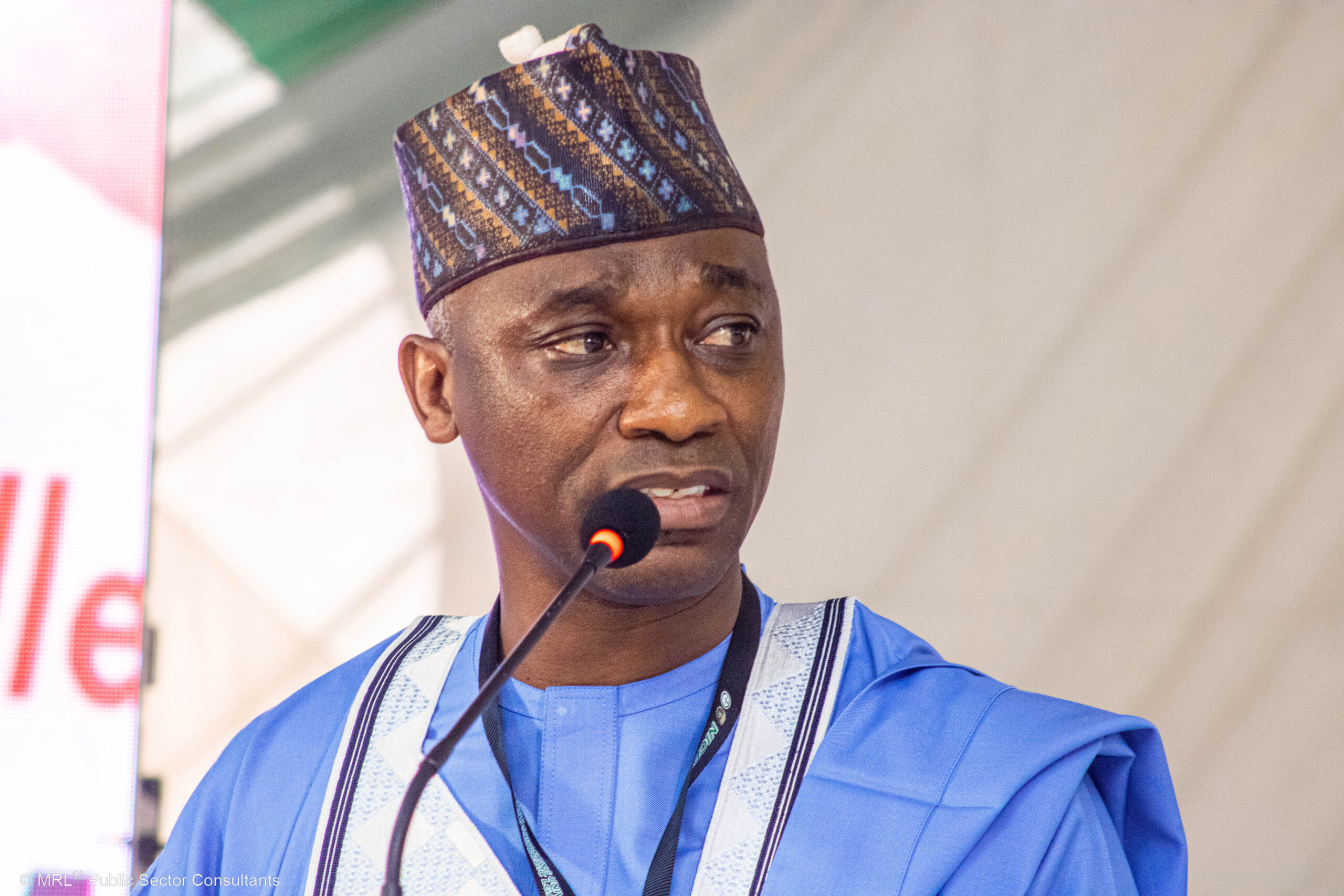
 The Niger State Ministry of Health, led by Honourable Commissioner Dr. Murtala Muhammad Bagana and supported by Permanent Secretary, Dr Usman Abdullahi Imam, oversees health service delivery and development across Niger State.
In Niger State, the Ministry of Health serves as a key institution of the State Government responsible for providing leadership and direction for the health sector. It functions in alignment with the state government’s vision under His Excellency, Governor Mohammed Umaru Bago, and is responsible for promoting and protecting the health and well-being of the population within the State.
The Ministry coordinates health planning, policy implementation, regulation and oversight, while working to improve the availability and quality of healthcare services across the state. Its responsibilities include public health, disease prevention and control, maternal and child health, healthcare workforce development, health infrastructure, health information management, monitoring and evaluation, and the coordination of health programmes. The Ministry also plays an important role in strengthening healthcare infrastructure, supporting health workers, monitoring health outcomes, and using health data to guide planning and decision-making. Through effective coordination, regulation and collaboration with relevant stakeholders, it works towards building a strong and responsive health system that meets the needs of the population. Through these responsibilities, the Ministry contributes to improving health outcomes and strengthening healthcare delivery across Niger State.
Key Institutions in the Health Sector
The Niger State health sector is coordinated through the following bodies:
- Niger State Ministry of Health (NSMOH)
- Niger State Primary Health Care Development Agency (NSPHCDA)
- Niger State Contributory Health Agency (NiCare / NGSCHA)
- Niger State Drug & Hospital Consumables Management Agency (NSDHCMA)
- Ministry of Secondary & Tertiary Health
- Niger State Hospital Management Board (NSHMB)
- Niger State Private Health Facilities Registration and Regulation Agency (NISPHFA)
Current Priorities & Programmes
Alongside the Health Sector Transformation Programme, the Ministry is advancing a number of other key programmes and strategic priorities, including:
Minna General Hospital Redevelopment & Capacity Expansion
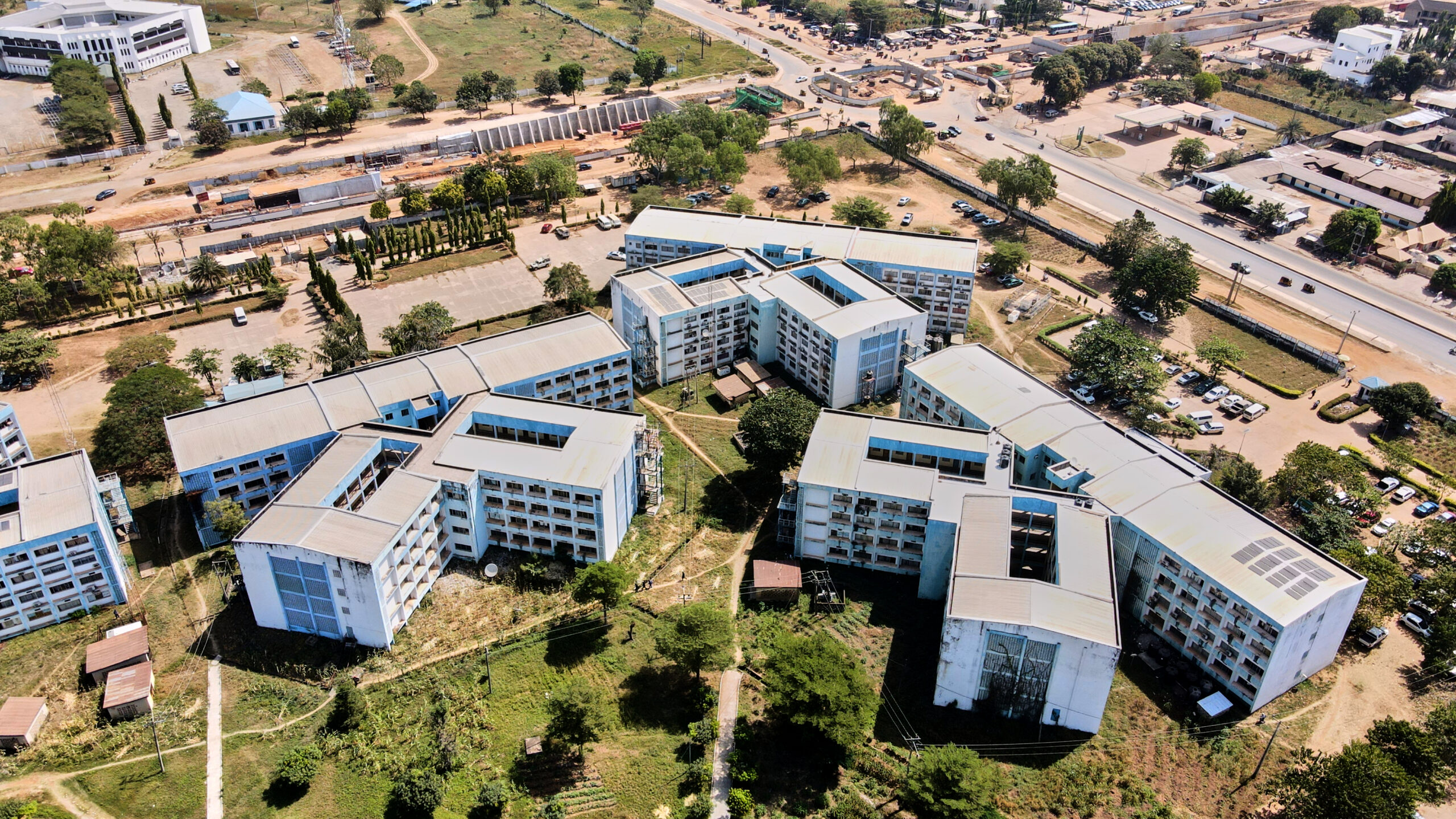
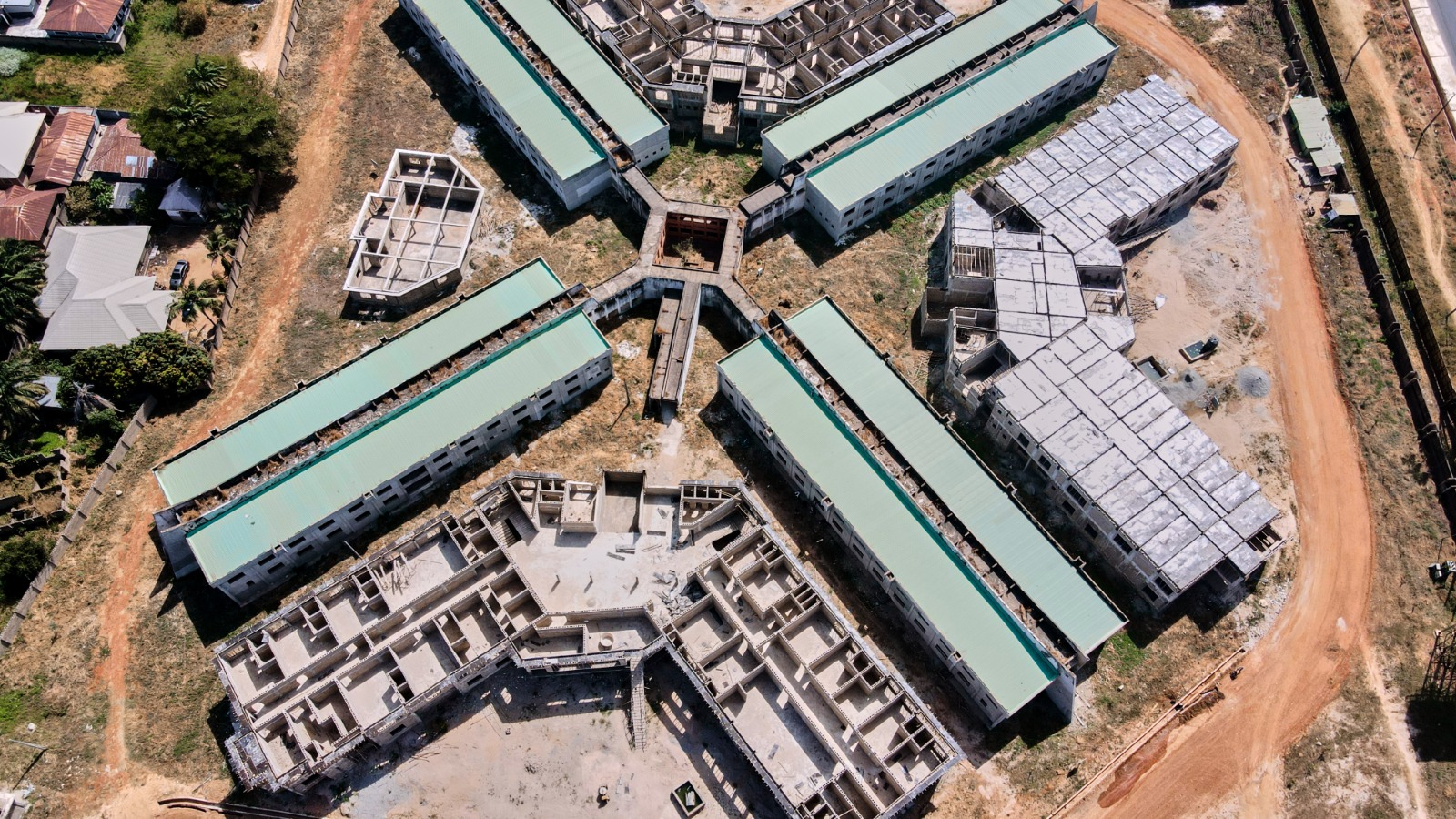
This involves the commissioning and remodelling of the Minna General Hospital wing, increasing its capacity from 200 to 368 beds, with plans to reach 500 beds, alongside upgrades to diagnostic services, operating theatres, specialist services and staff accommodation.

Essential Medicines & Health Commodities
This involves the procurement and distribution of approximately ₦2.5 billion worth of malaria commodities, antimalarial drugs, essential medicines, wheelchairs and other life-saving commodities to strengthen healthcare facilities and improve access to essential care.
Universal Health Coverage & Vulnerable Population Enrolment
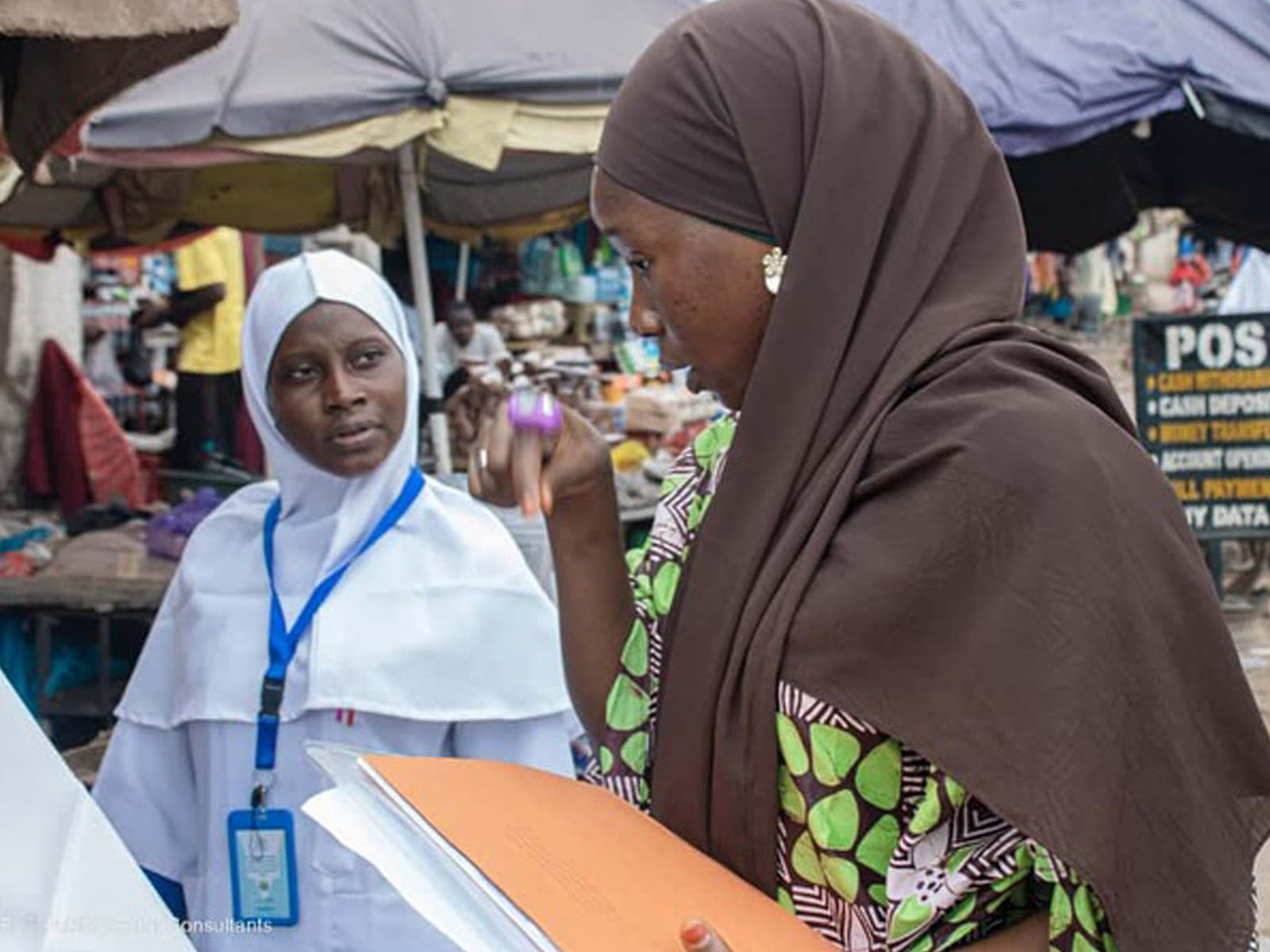
This focuses on expanding access to healthcare for poor and vulnerable residents, including the Commissioner’s pledge to personally sponsor the enrolment of 1,000 vulnerable persons across all 25 LGAs into the state contributory health scheme; over 121,000 residents were reported as already enrolled.
Immunisation & Polio Prevention
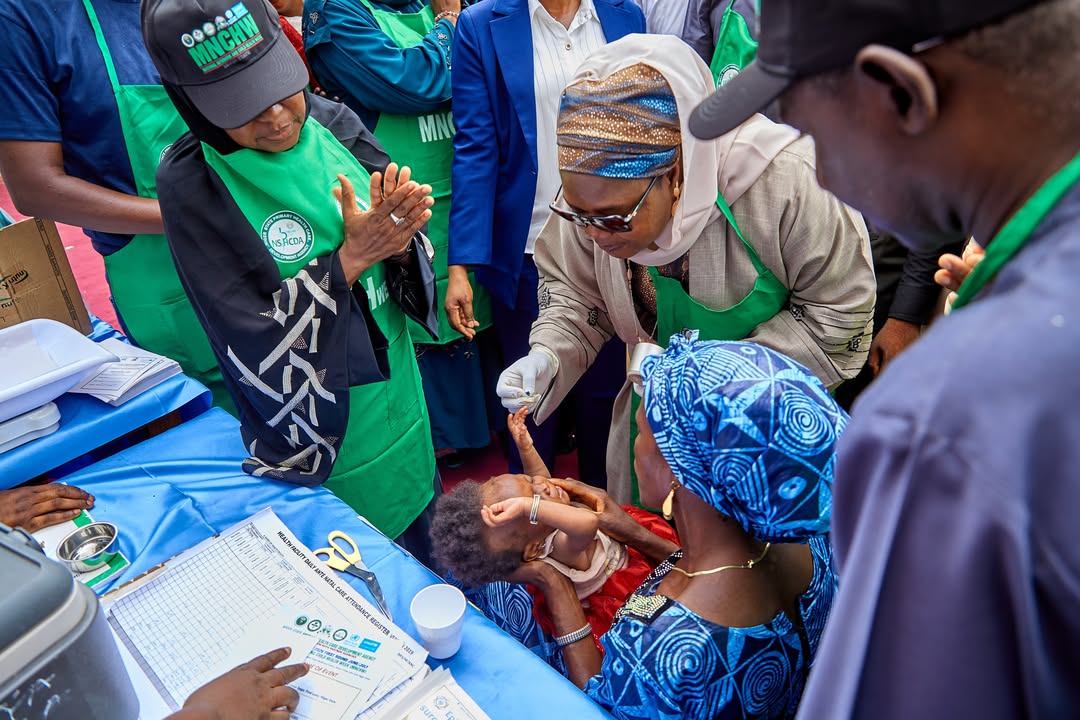
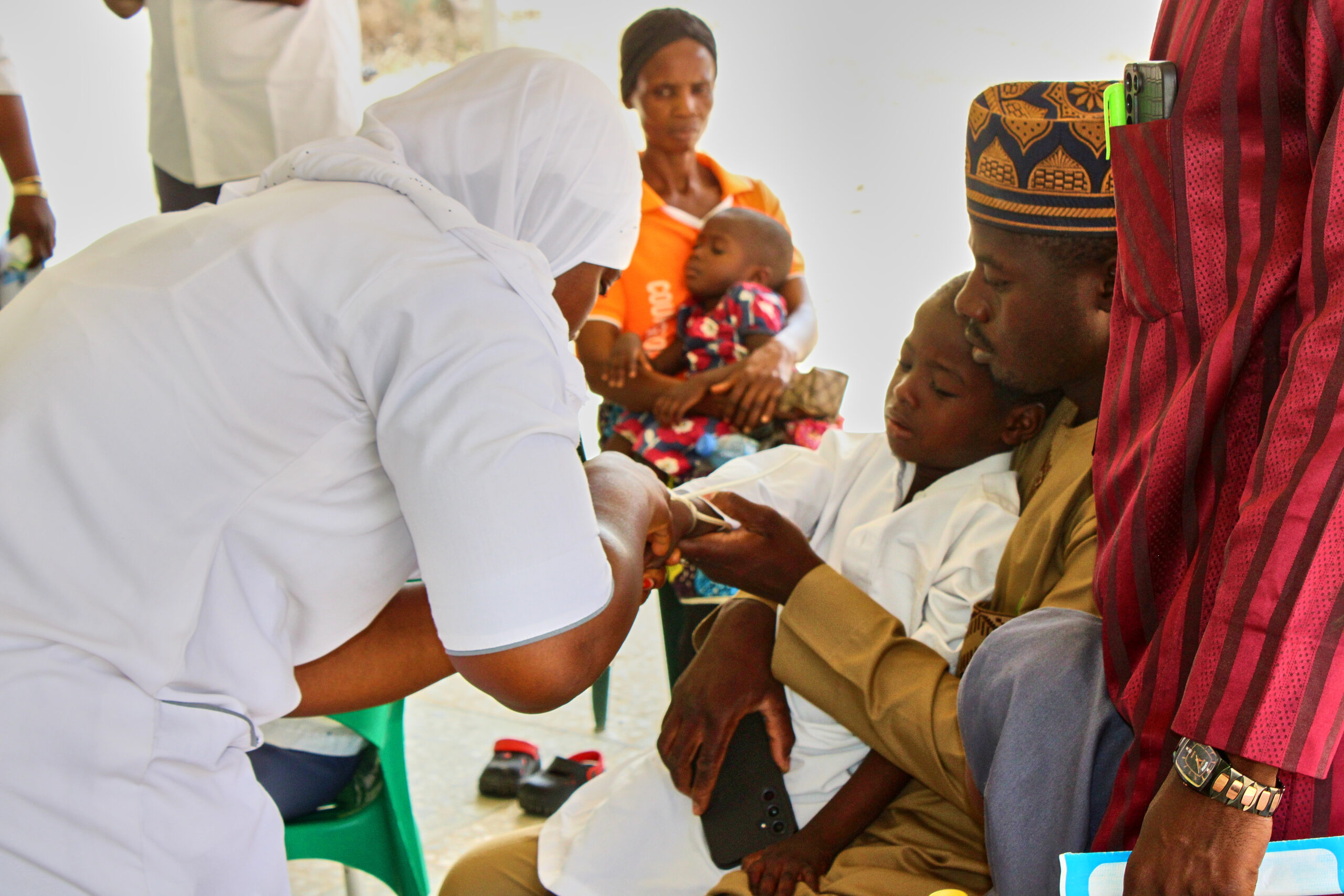
This involves the implementation of Immunisation Plus Days across all 25 LGAs, with more than 4,000 house to house vaccination teams and 274 fixed and temporary vaccination posts deployed to reach over 2.5 million children aged 0-59 months; the Ministry is also working with partners to address zero dose children and sustain polio prevention.
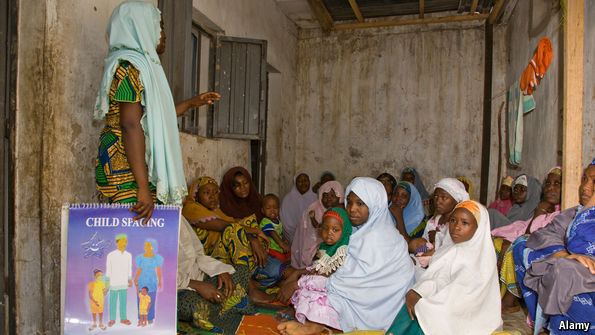
Reproductive, Maternal & Family Planning Services
This focuses on expansion of family planning and sexual and reproductive health services through partnerships with organisations including the Gates Foundation, University of Manitoba, WACPHD and NOI Polls, with emphasis on reducing unmet contraceptive needs and maternal mortality.
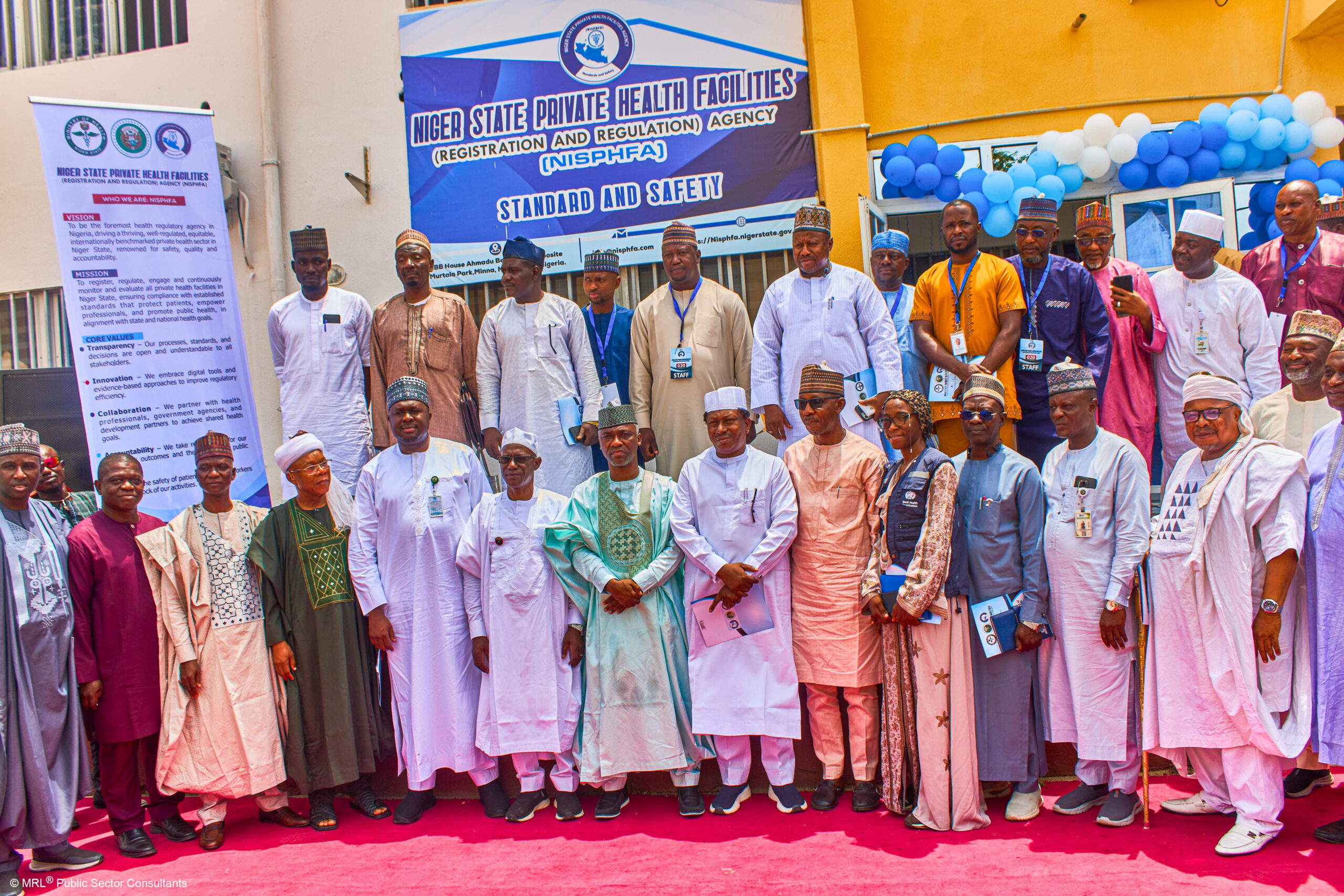
Health Workforce Development & Medical Education
This includes support for the state’s pioneer medical students, including the enrolment of 41 medical students into the Niger State Medical Students Bonding Scheme, provision of transportation support and ₦2 million take off bursaries per student for their clinical training at ABU Zaria; emphasis is also placed on health worker welfare and industrial harmony.
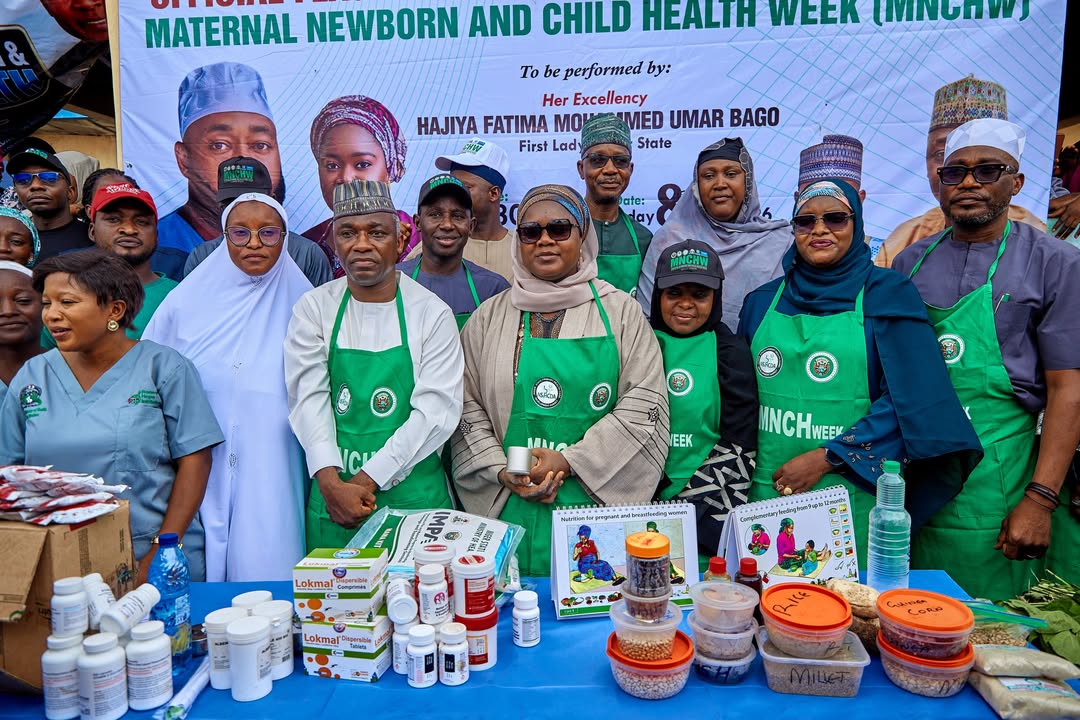
Private Healthcare Regulation & Quality Assurance
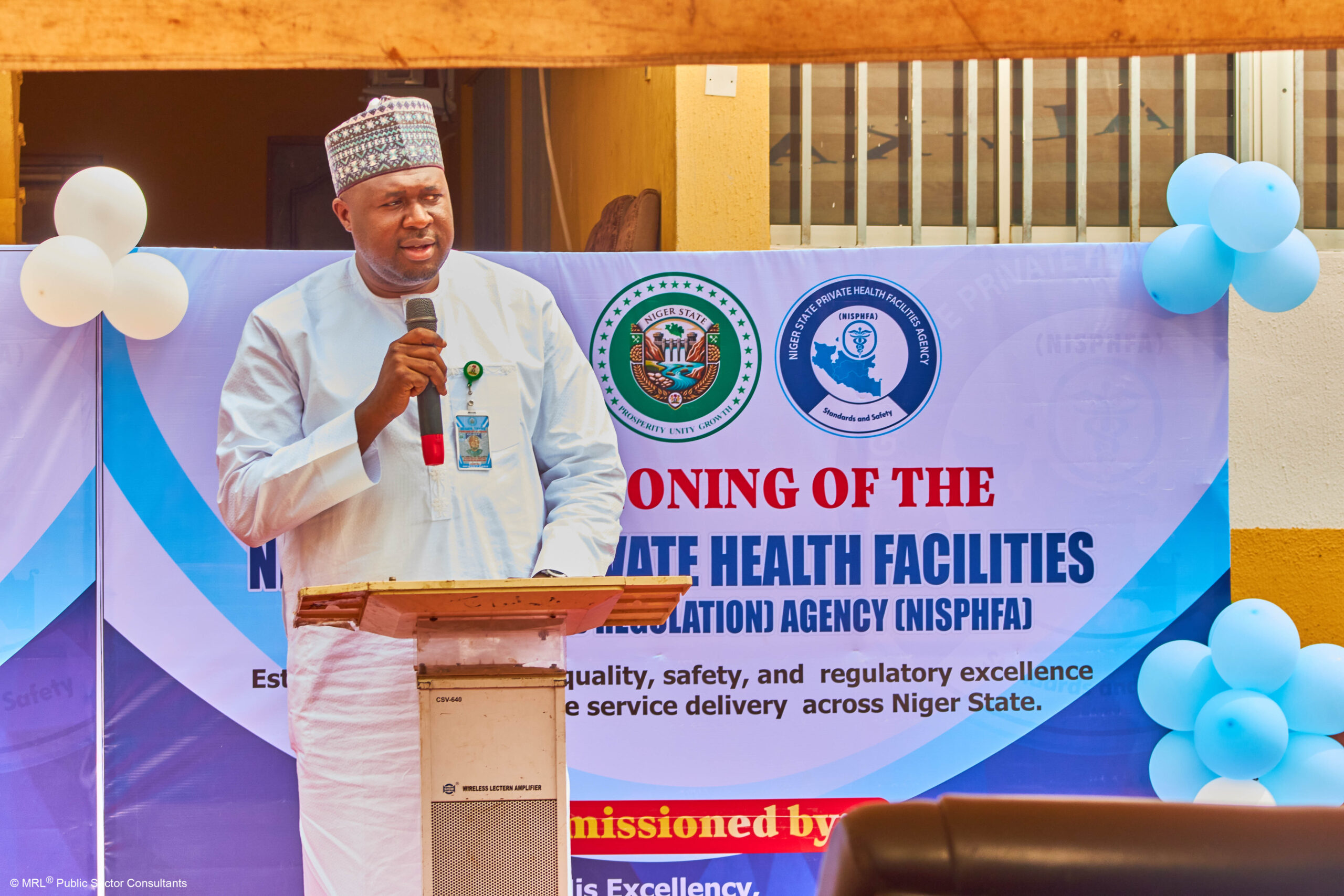
This involves the establishment of the Niger State Private Health Facilities Registration and Regulation Agency (NISPHFA) to register and license private health facilities, enforce professional standards, strengthen patient safety and generate reliable data for health planning and accountability.
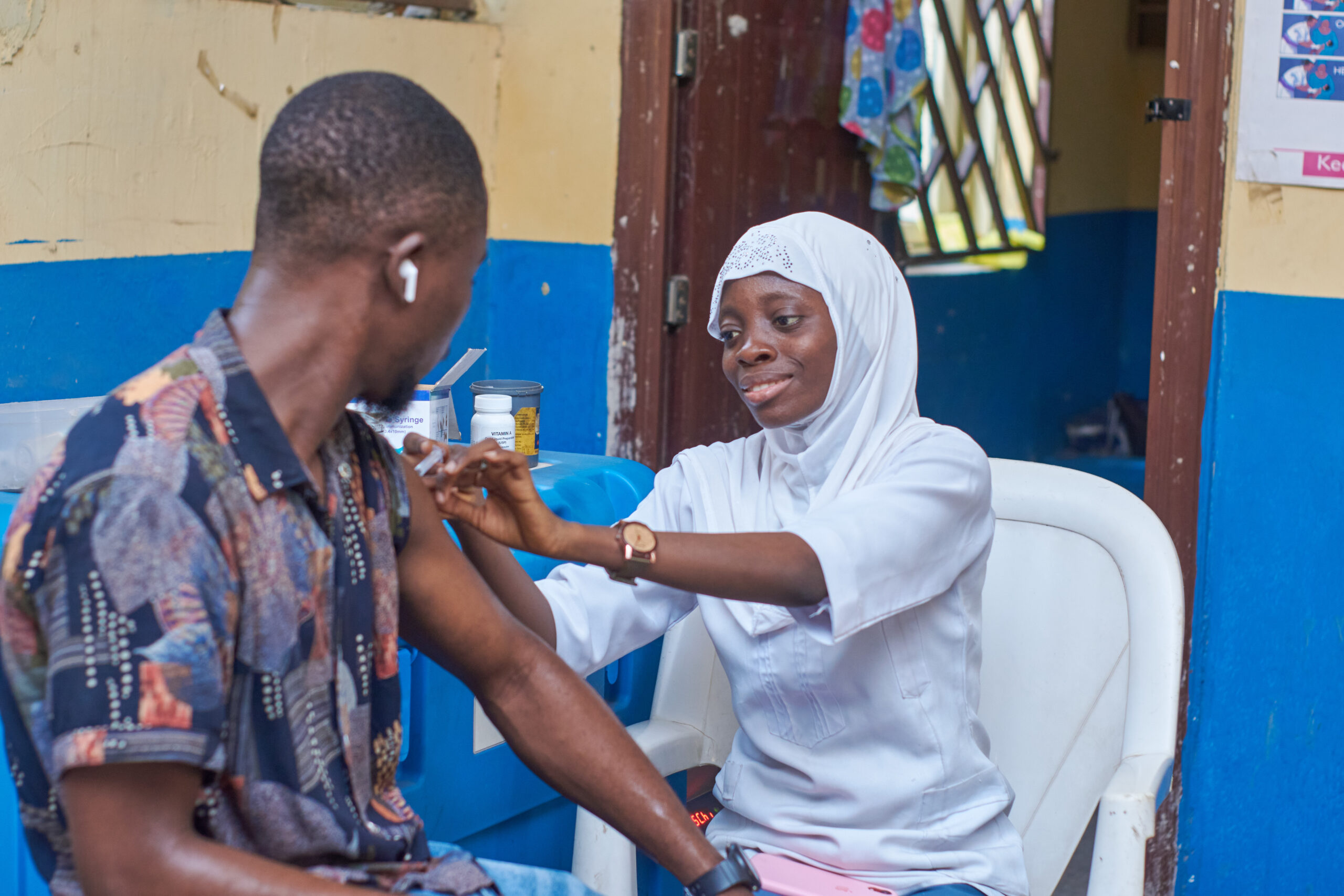
Integrated Medical Outreach Services
This involves the Niger State Integrated Medical Outreach Programme (NiMOP) which is designed to extend essential healthcare services to underserved and vulnerable populations, with efforts to establish partnerships that can support outreach activities and community health interventions.
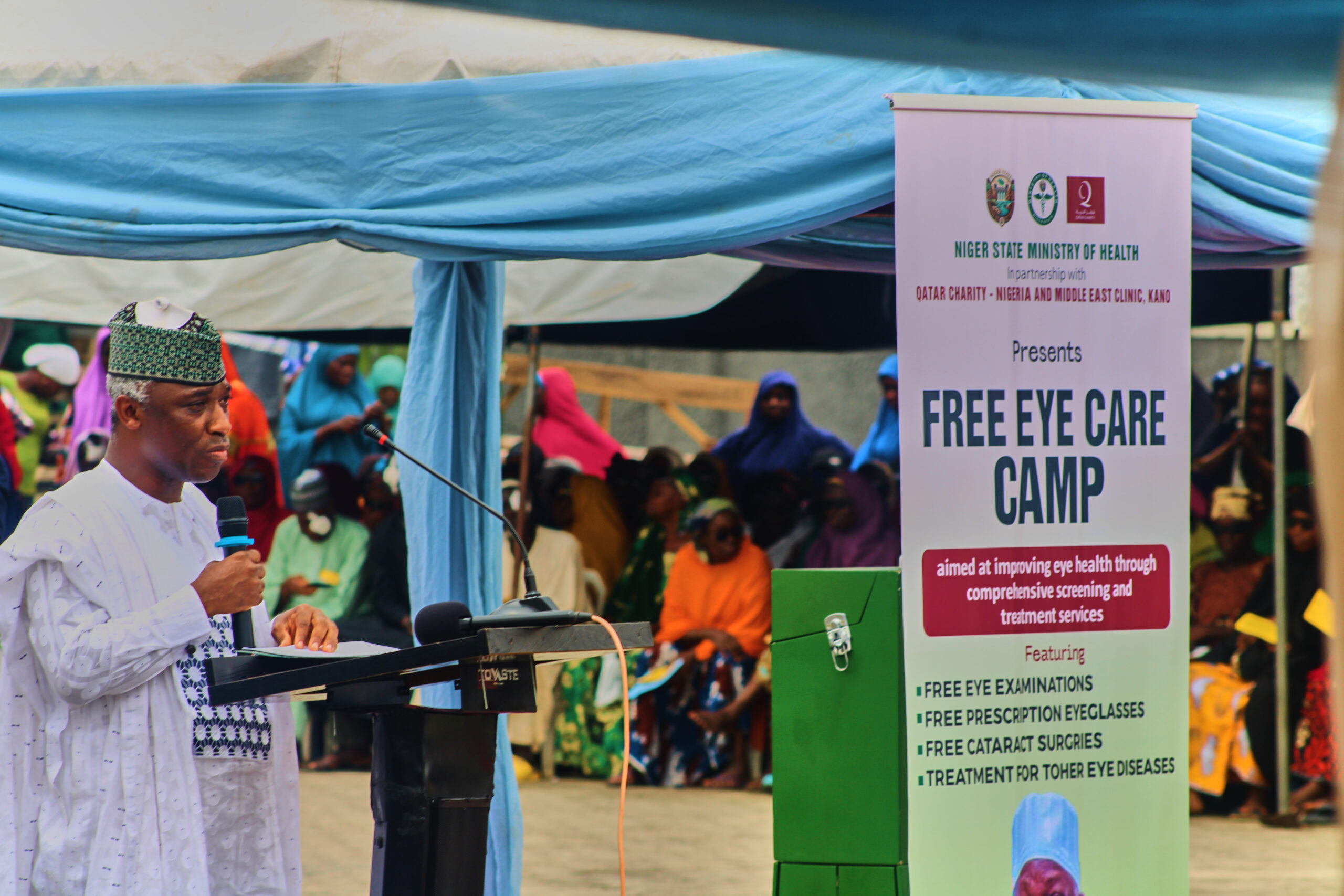
Eye Health & Prevention of Avoidable Blindness
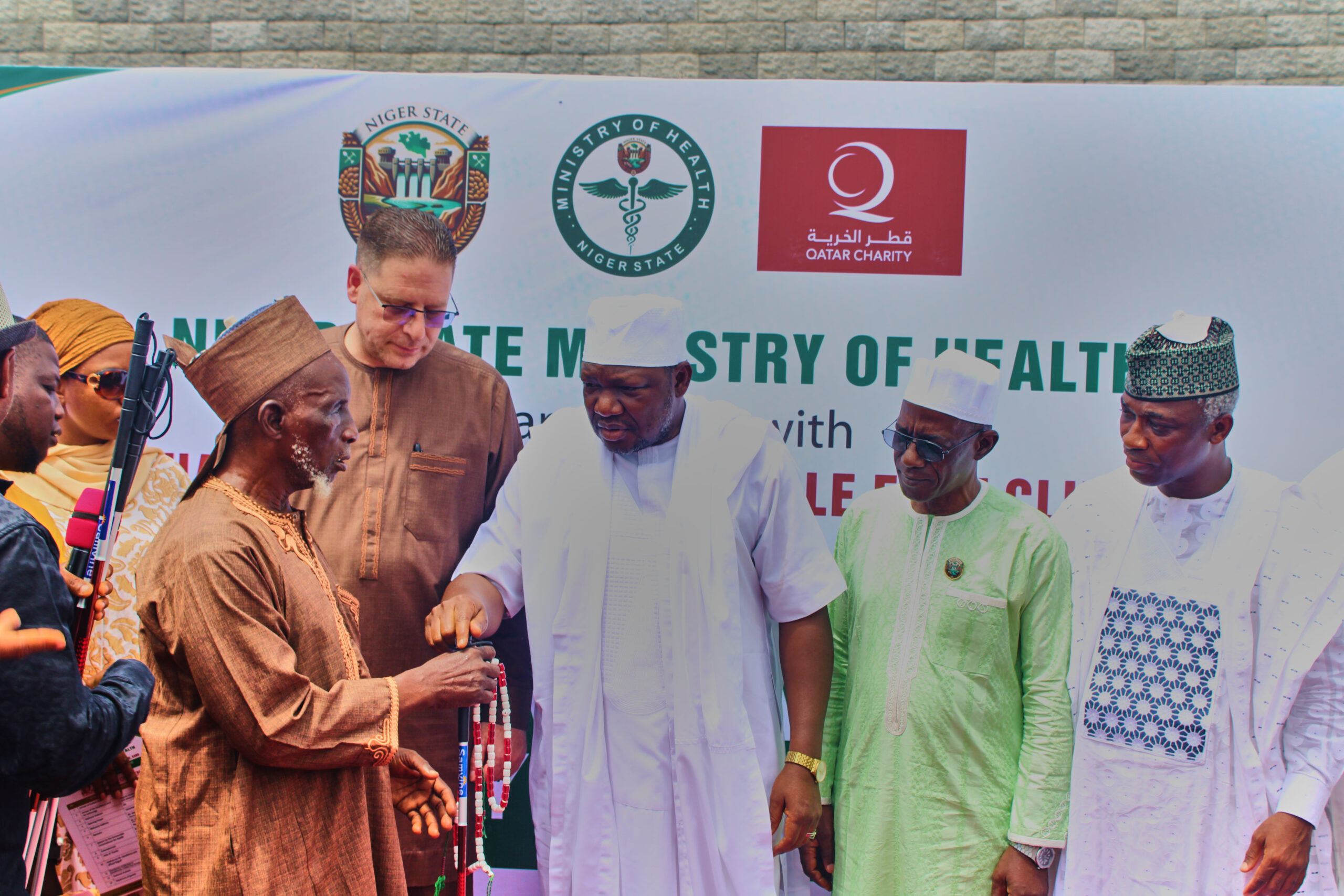
This includes a free eye care intervention that screened over 2,300 people, treated more than 2,000, provided 700+ prescription glasses, and scheduled 380+ cataract patients for free sight restoring surgeries; additional support included walking sticks for blind persons and food assistance for over 200 post surgery patients.
Cancer Prevention, Screening & Treatment
This includes engagement with global health partners to strengthen cervical cancer prevention, screening and treatment, including efforts around HPV vaccination and improved access to cancer related services for women and girls.
Digital Health & Health System Strengthening
This focuses on strengthening digital health systems and promoting investment in digital health innovations, alongside efforts to improve primary healthcare infrastructure, health workforce development, disease surveillance, commodity security and healthcare financing.
Health Partnerships & Resource Mobilisation
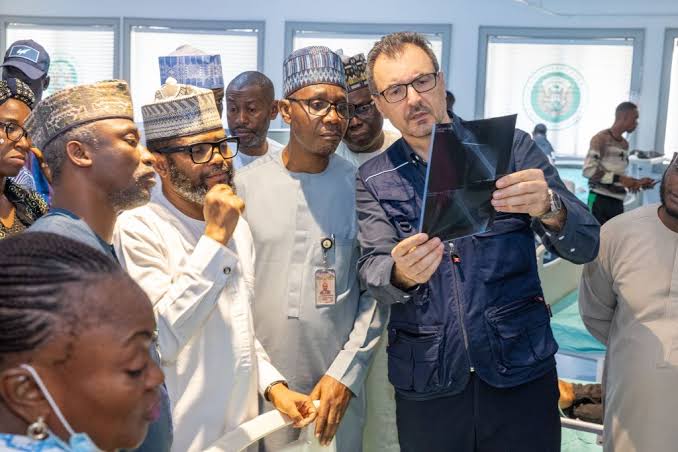
This involves strategic engagement with organisations including WHO, Gavi, Gates Foundation, Global Fund, UNICEF, N-HYPPADEC, Qatar Charity, Malaria Consortium and other partners to attract technical and financial support, strengthen health programmes and improve healthcare delivery.

Global Health Systems Strengthening & External Support
This includes Niger State’s participation in international health engagements, including the 79th World Health Assembly in Geneva, which resulted in the state being prioritised for Gavi Health Systems Strengthening (HSS3) support for 2026-2028, aimed at strengthening immunisation systems, reducing zero dose communities and improving healthcare access.
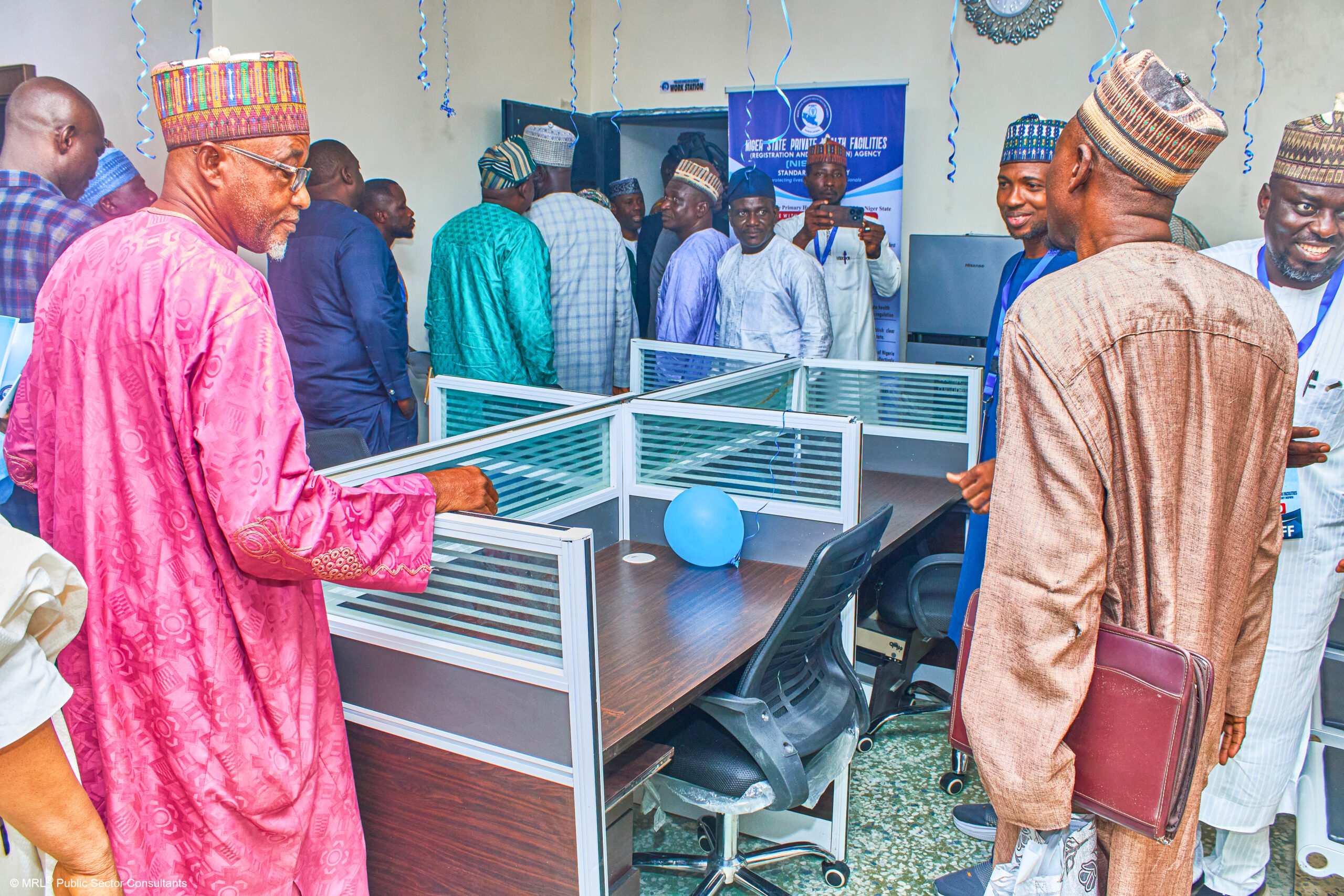
Statewide Health Facility Equipment & Infrastructure Support
This involves the distribution of 2,000 hospital beds across the state, deployment of more than 40 wheelchairs and strengthening of healthcare facilities through essential equipment and infrastructure improvements.
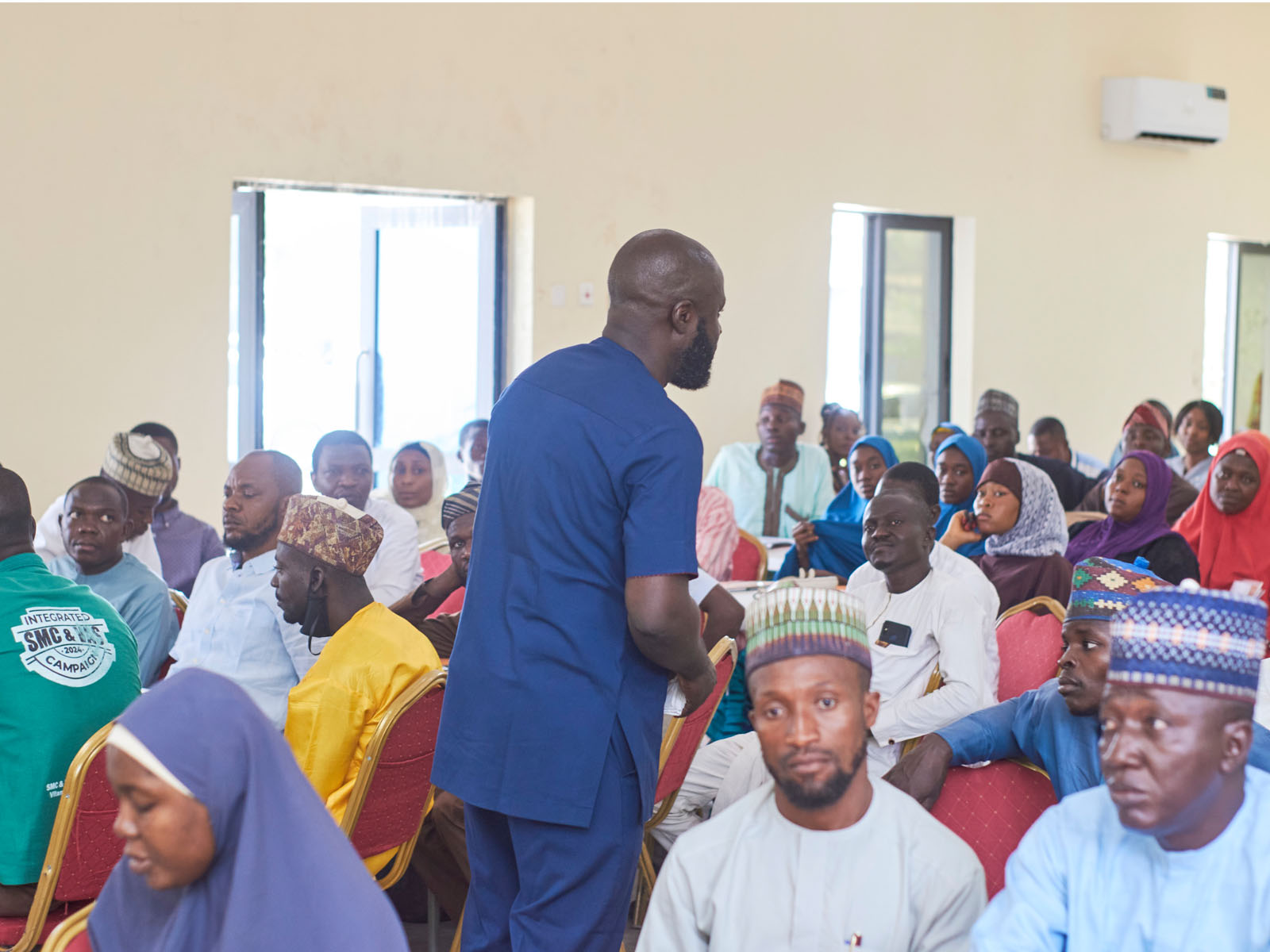
Health Workforce Development & Retention
This involves efforts to strengthen the health workforce through staff welfare, training and improved workforce availability, including the absorption of 396 health workers previously engaged under UNICEF and Gavi supported programmes into the Niger State Civil Service to address manpower shortages and strengthen healthcare delivery.